Dov'è La Salerniana?
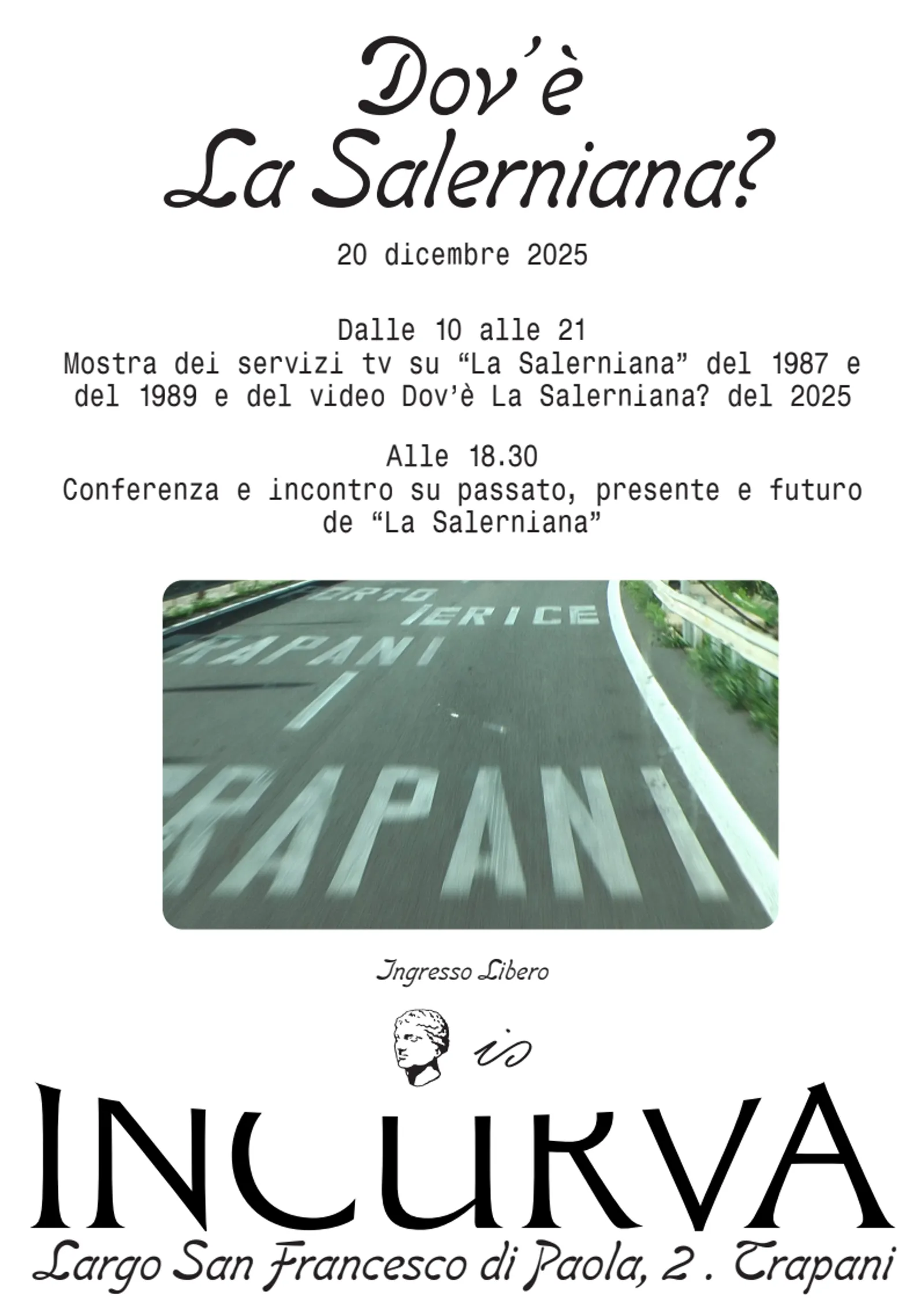
20 December 2025
The event promoted by INCURVA, Istituto Sicilia, and La Salerniana was conceived as a moment dedicated to rebuilding the relationship between exhibition activity, the works of the La Salerniana Collection, and the cities of Trapani and Erice. At 6:30 pm at INCURVA in Trapani, the public will meet for a historical-critical survey—within the cultural context of the time—of the Collection’s works and exhibition activity, together with the President of La Salerniana, Marco Nicodemo, and Bruno Corà, President of the Fondazione Burri, art historian, critic, curator, and a leading figure in some of the most illustrious decades of contemporary art.
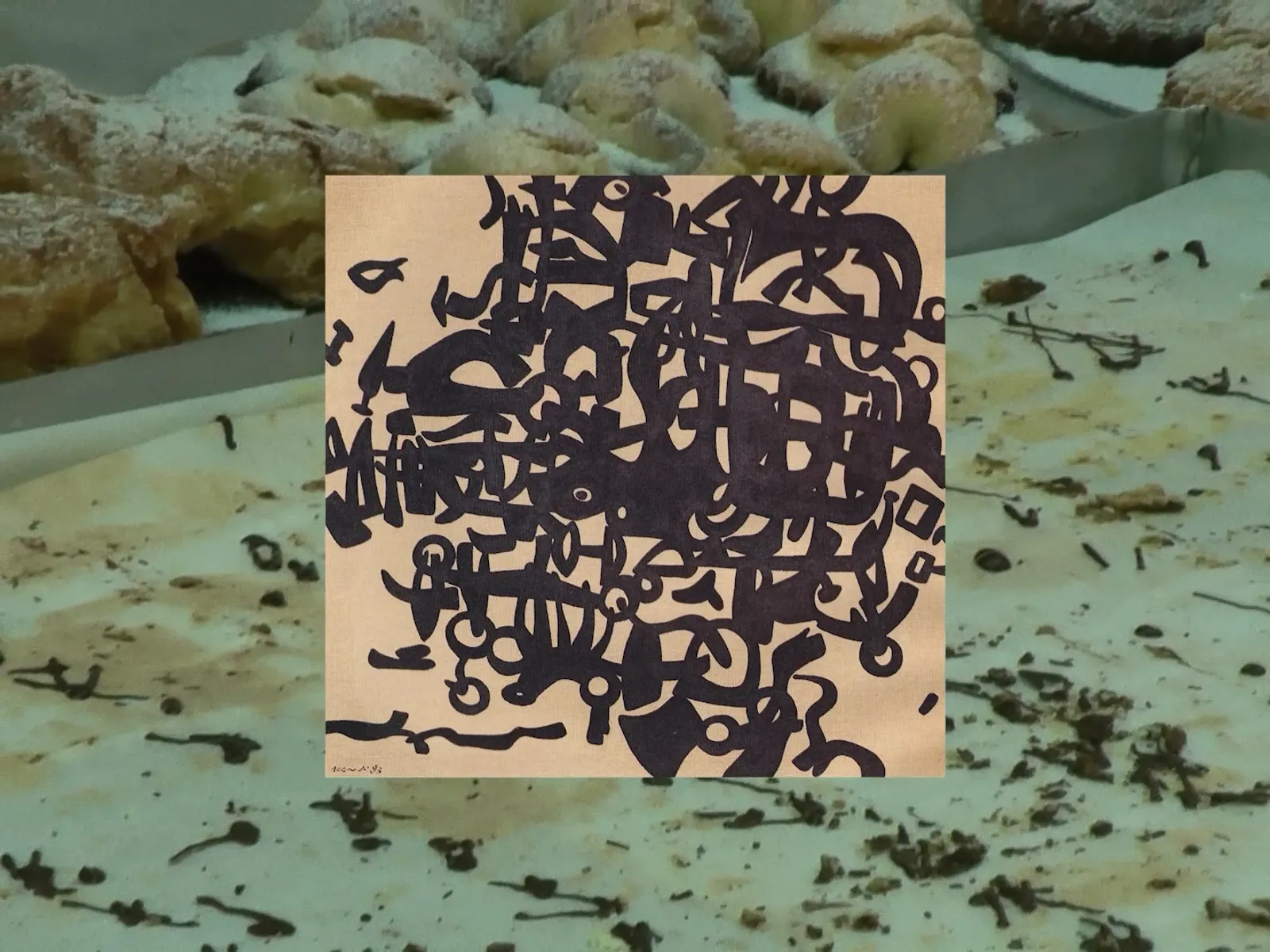
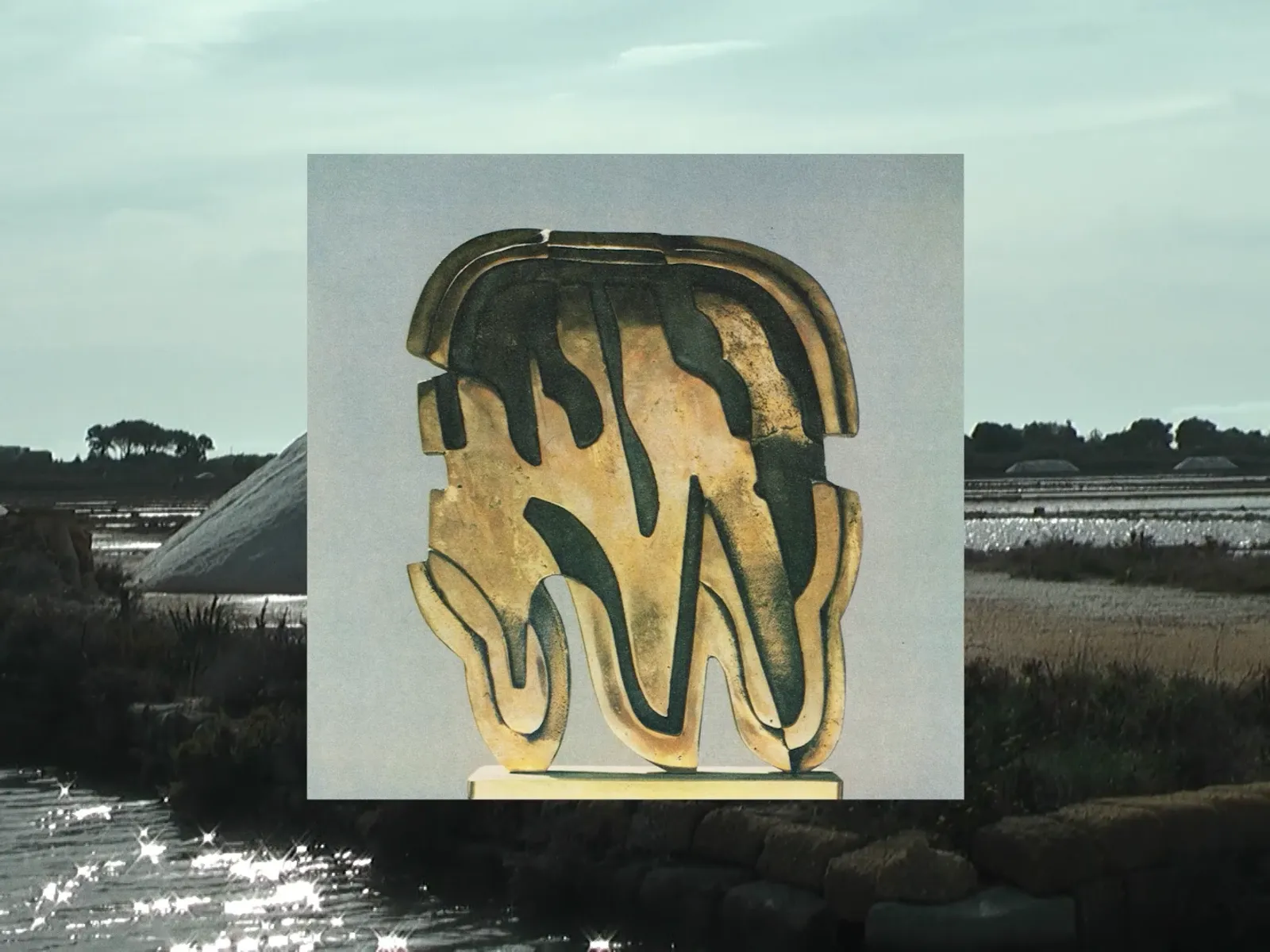
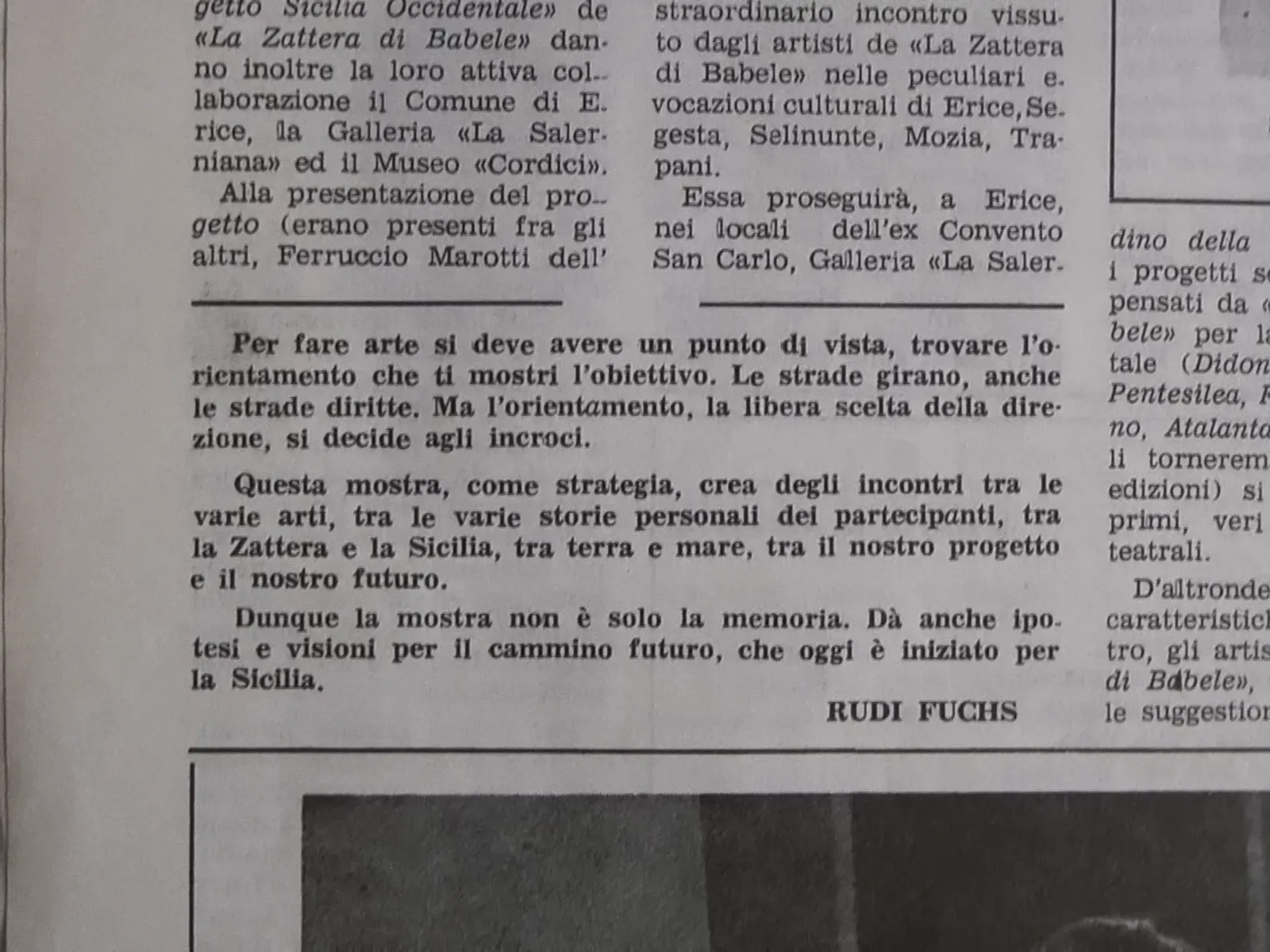
“La Salerniana” was founded in Erice in 1979. Under the artistic direction of Michele Cossyro, it has seen the participation of major art historians and critics such as Filiberto Menna, Gillo Dorfles, Palma Bucarelli, Rudi Fuchs, Achille Bonito Oliva, and many others, who have promoted, curated, and documented prestigious group and solo exhibitions—both thematic and monographic—with Italian and international artists of the highest calibre, establishing important collaborations with leading national academic institutions, international institutes, and Italian museums. Over the years, a permanent historical collection of around 150 works of sculpture and painting has been assembled, all donated personally by the artists, many of which have been shown in major exhibitions, from the Rome Quadriennale to the Venice Biennale. The collection, spanning from the late twentieth century to the contemporary period, includes—among others—Carla Accardi, Gianfranco Baruchello, Pietro Consagra, Giorgio Griffa, Fabio Mauri, Pino Pinelli, Vettor Pisani, Emilio Scanavino, Antonio Sanfilippo, Turi Simeti, Claudio Verna, and many others.
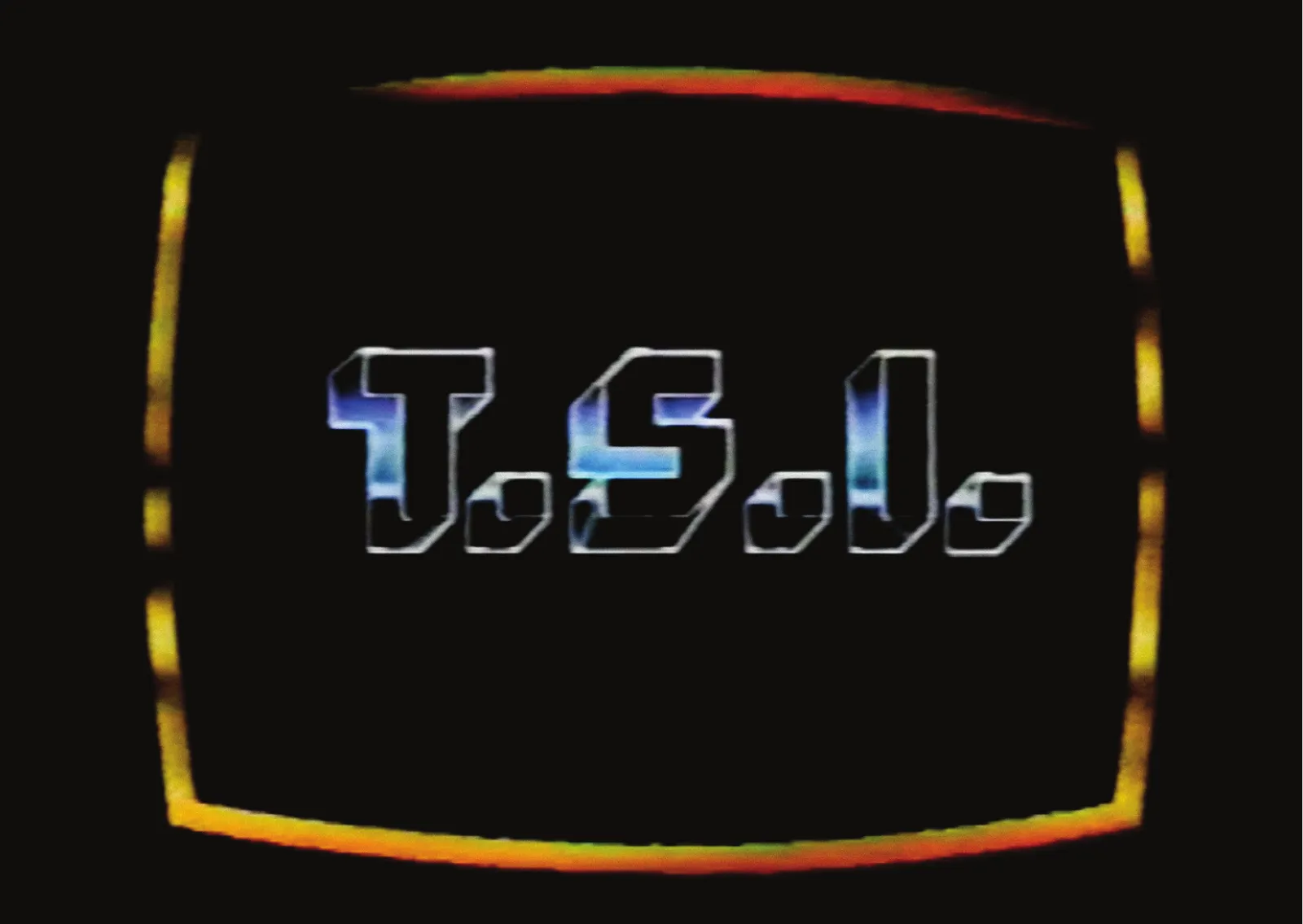
From 10:00 am, on rotation until 9:00 pm, television footage made by Giuseppe Occhipinti for Tele Scirocco Informazione on La Salerniana’s exhibitions in 1987 and 1989 will be on view. This is an opportunity to set stories, images, and perspectives back in motion; to question how that experience still speaks today to the Trapani area; and to awaken in everyone the desire to see and relive the La Salerniana Collection, in the hope that this presence—now recalled in fragments—may one day return to Trapani in a living form, shared and accessible to all once again.
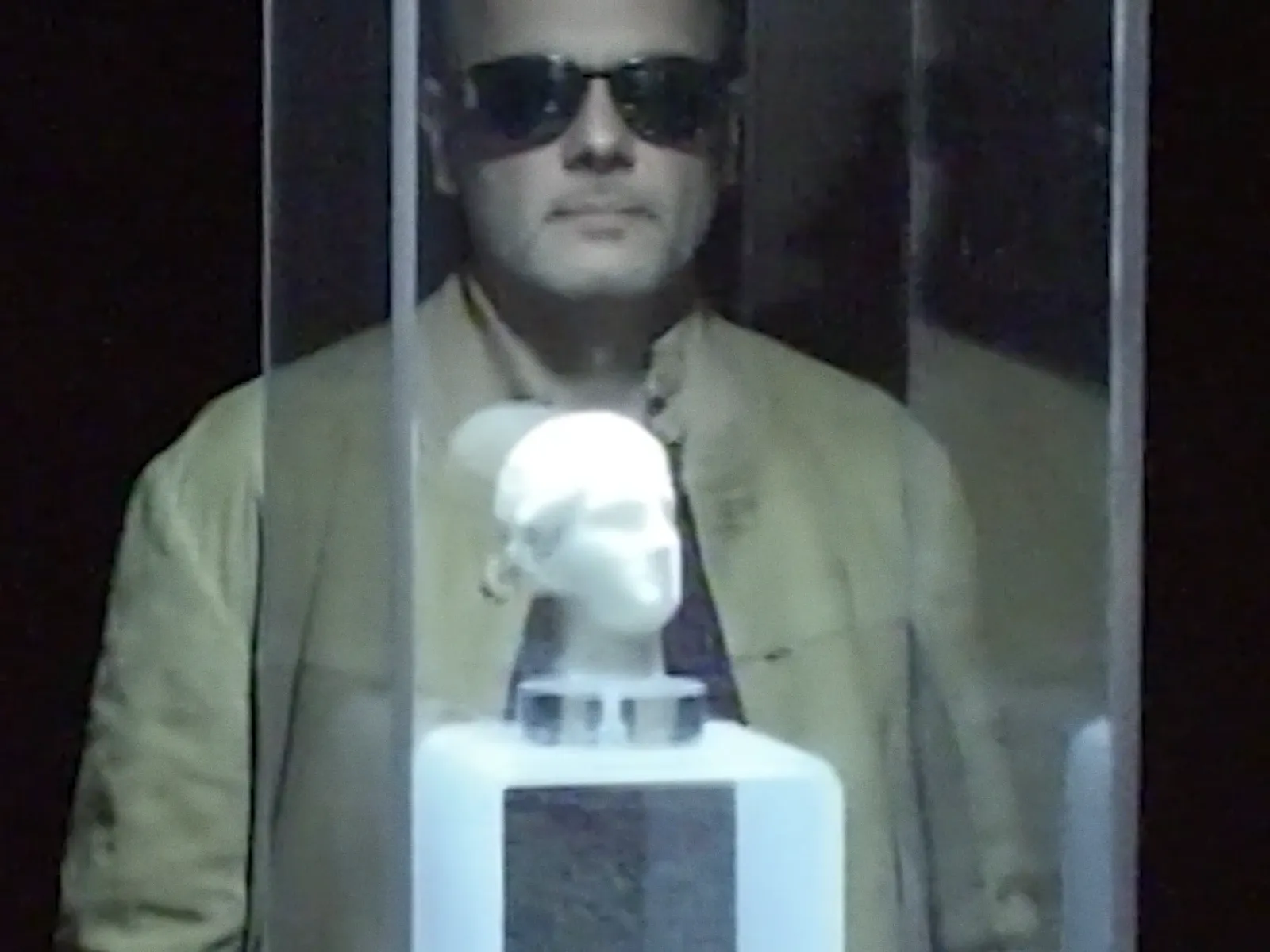
Instead of a traditional exhibition format, a video loop has been chosen as a way to expand time and modulate the exhibition space. Two 1980s television sets, placed on plinths to mimic a sculptural object, play on a loop images of works, landscapes, architecture, and urban views taken from period television reports recovered from La Salerniana’s archive. The viewing experience recalls the domestic intimacy of television: a private, frontal relationship enclosed within the frame of the screen—between seduction and distraction—where images flow on the verge of oblivion. It is precisely in this gap—between habit and focus, between consumption and memory—that the space of artistic experience opens up: an invitation to reassess the history of the Collection and its bond with the Trapani area.
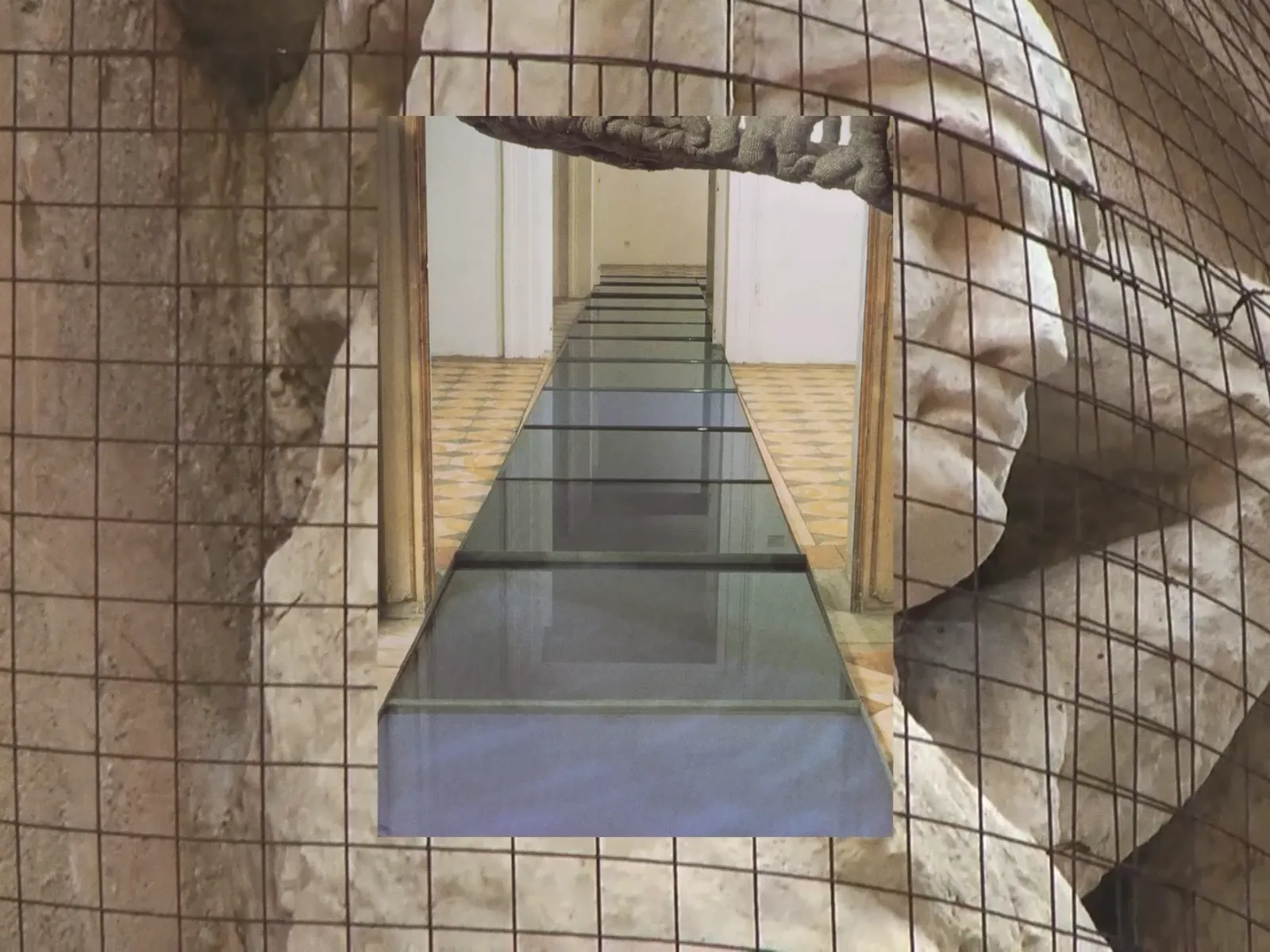
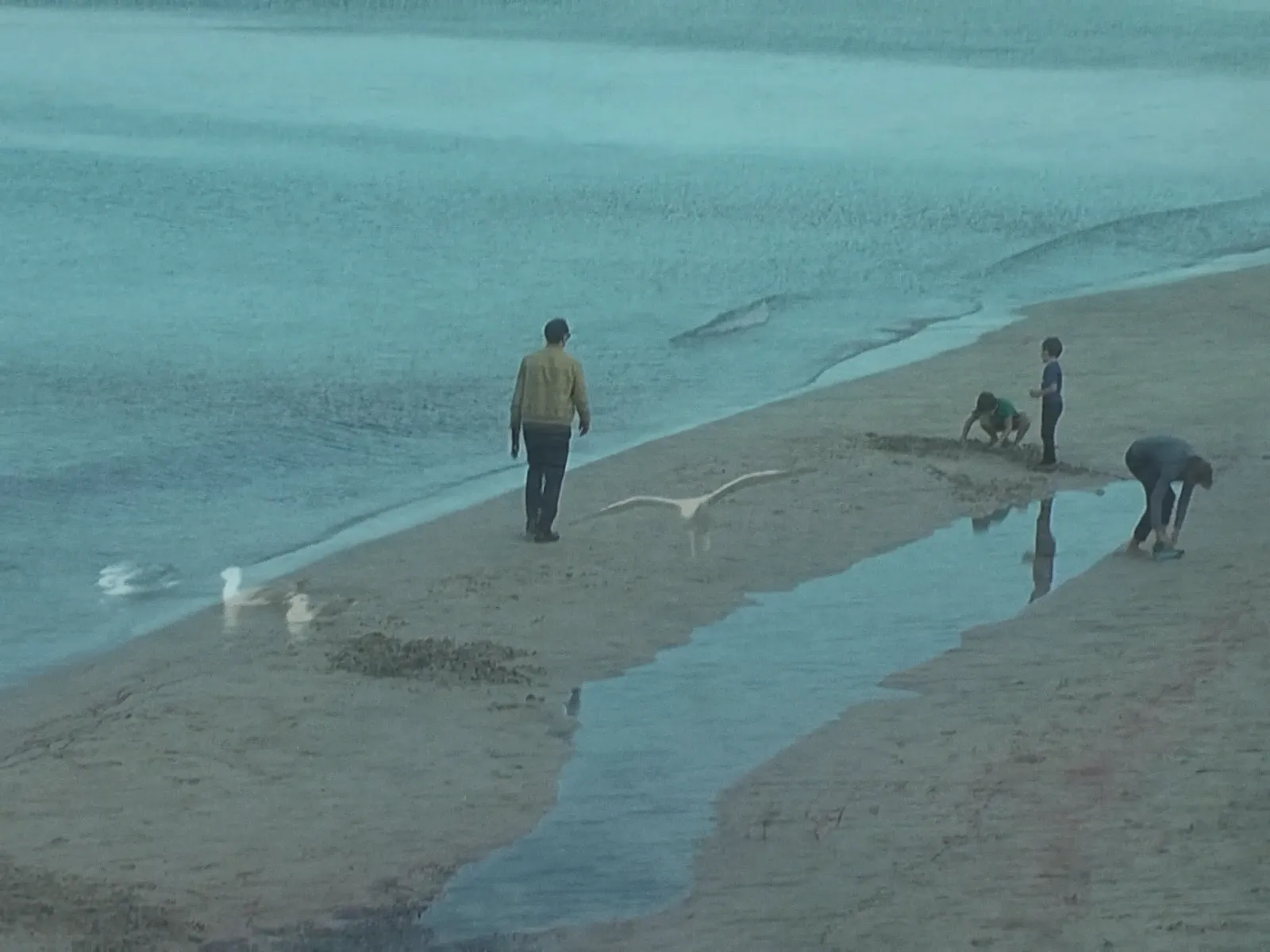
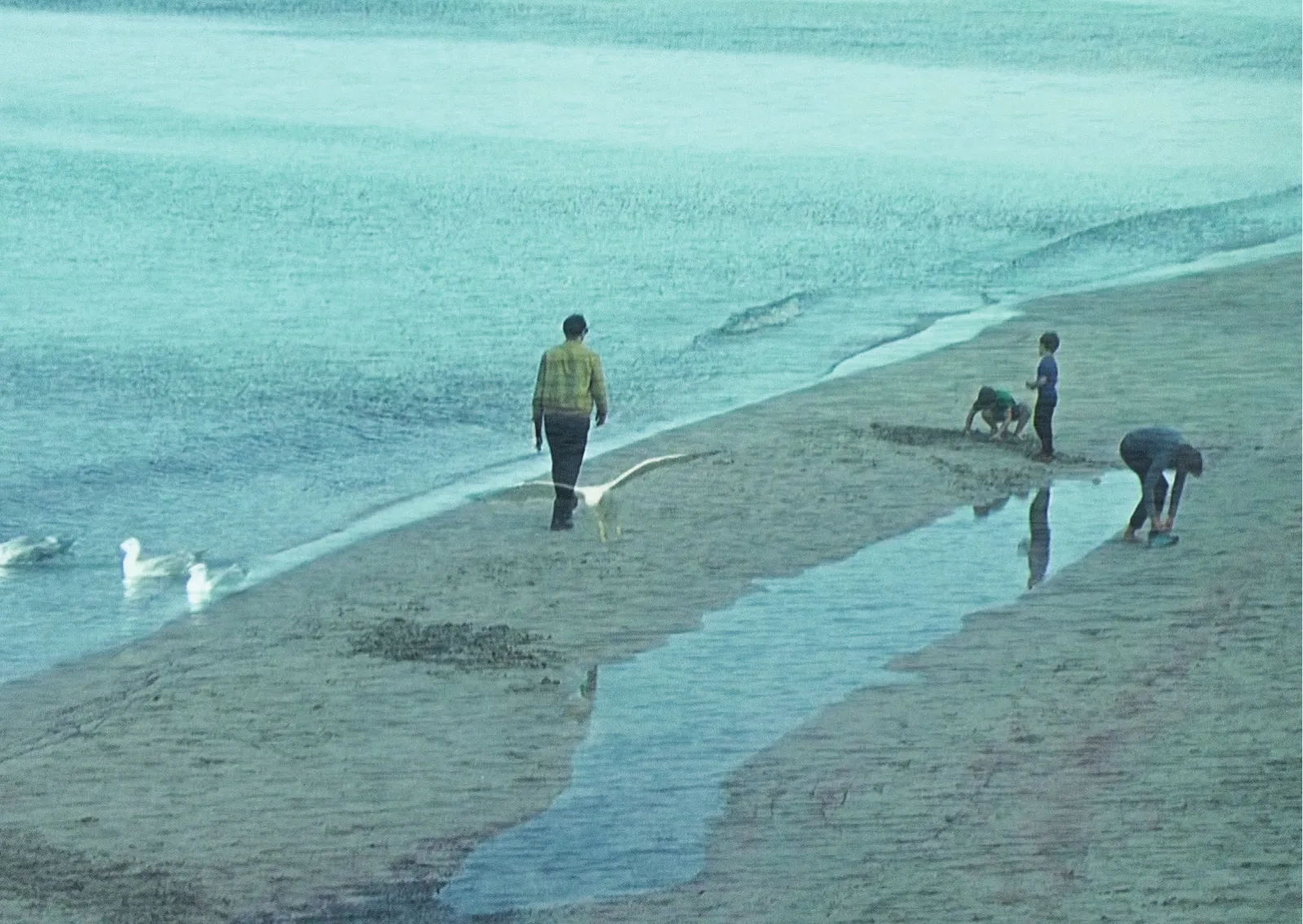
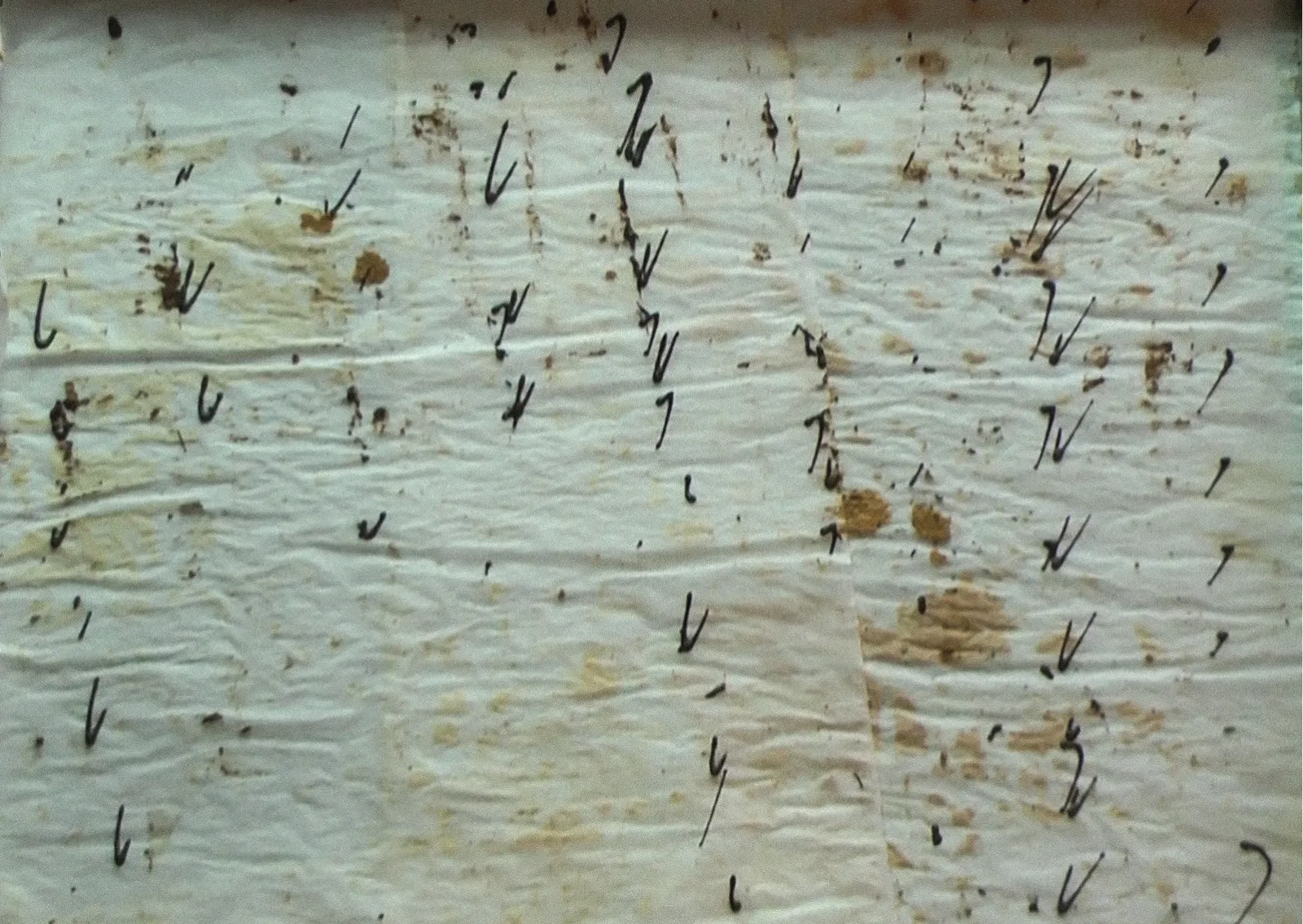
Also on view, the video report Dov’è La Salerniana? (2025), by Istituto Sicilia, La Salerniana, and No Text Azienda. A video investigation that cannot be placed in time, which—under the influence of a collection apparently lost (and yet apparently claimed by no one)—attempts to follow its traces, among the works and the images that generated them. From this tenacious pursuit emerges a visual narrative that moves between irony and a subtle, openly admitted fatigue, yet never loses faith in the possibility of renewal. The images, once retrieved, are layered and reassembled into a loose inlay—a collage of memory and feeling—inviting the viewer to trace, almost like an investigator, the lingering clues of what remains.
In collaboration with La Salerniana and Istituto Sicilia.