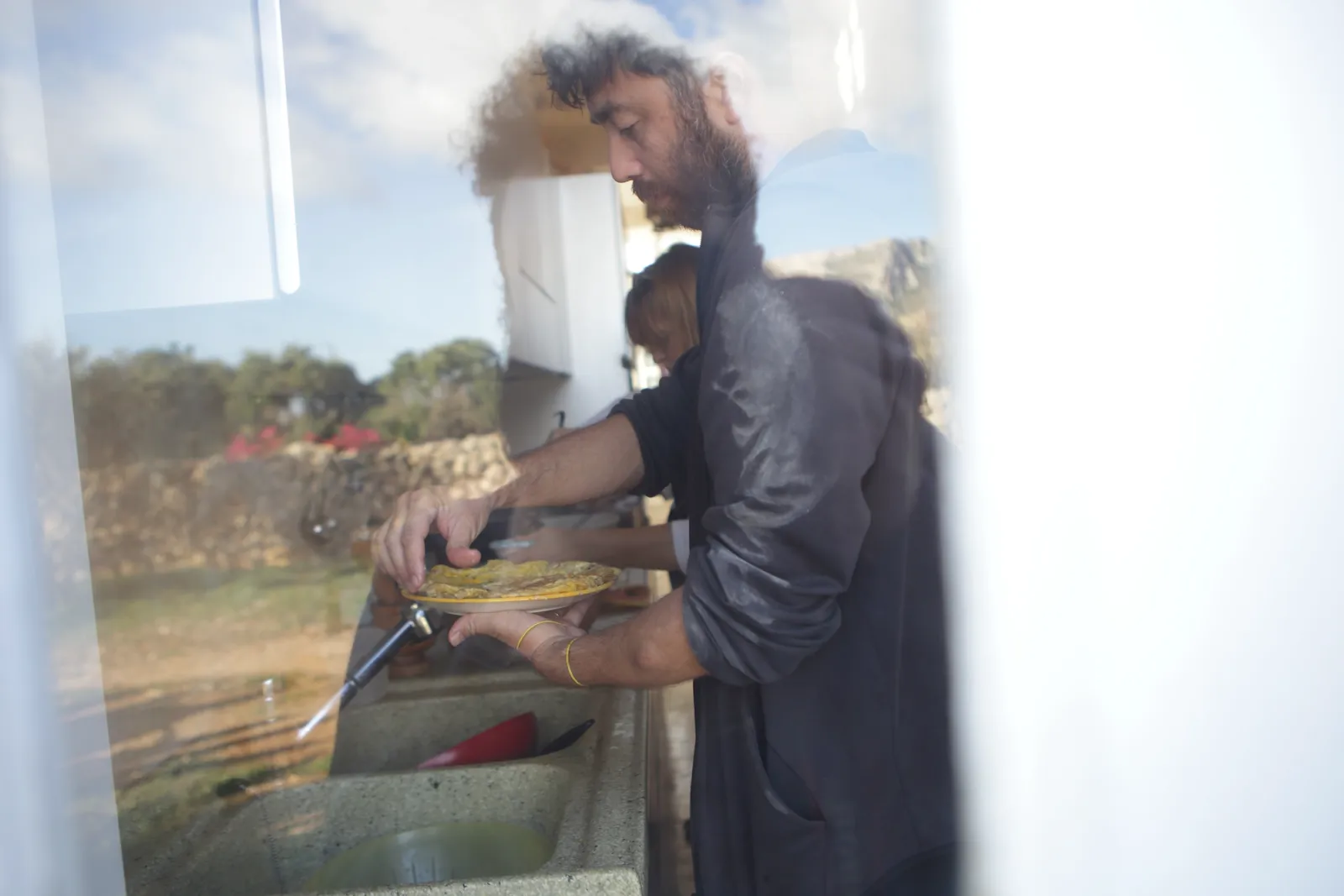
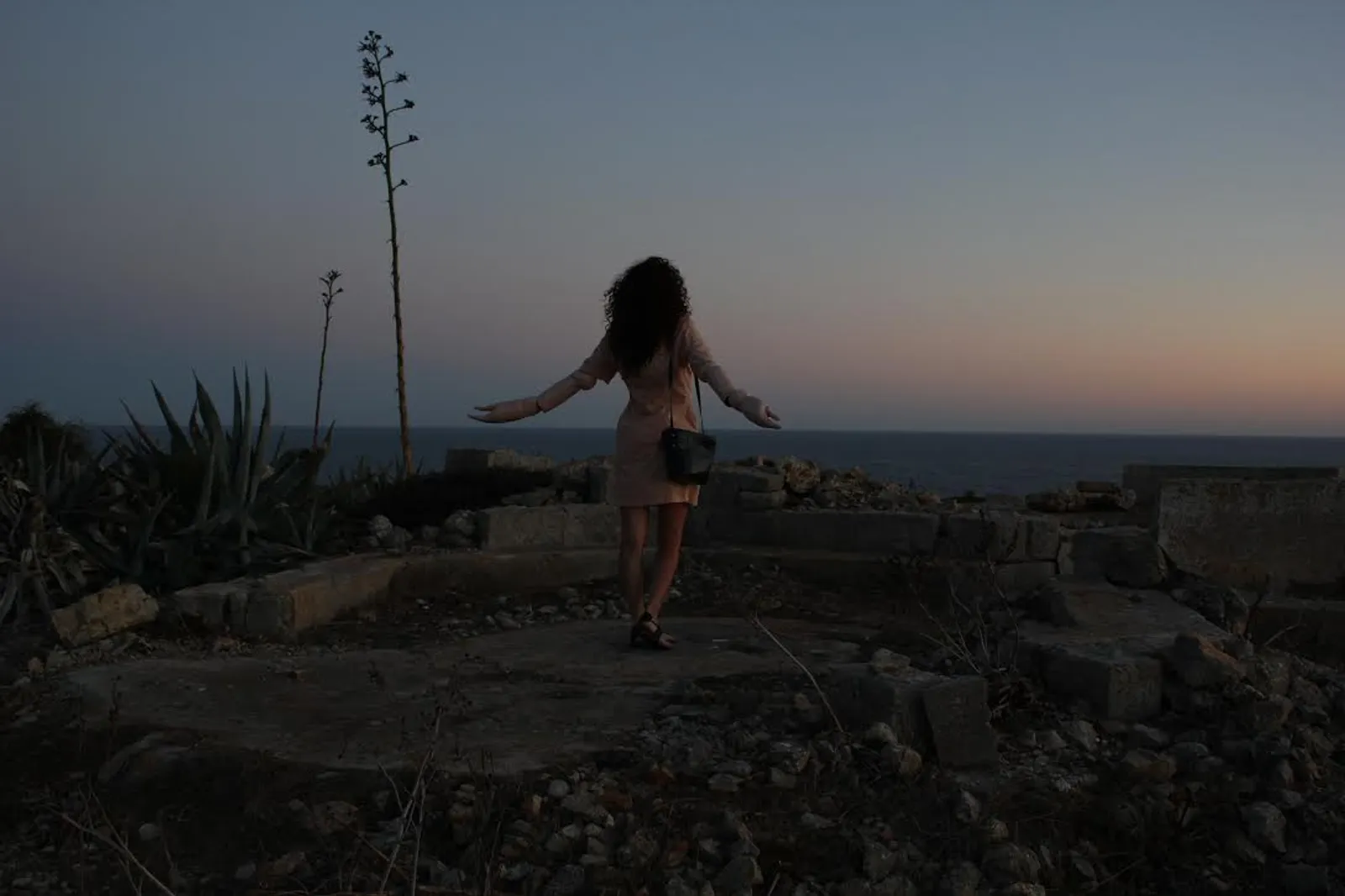
Trisha Baga, Massimo Grimaldi, David Horvitz, Beatrice Marchi
Curva Blu 2017
1 September – 14 November 2017
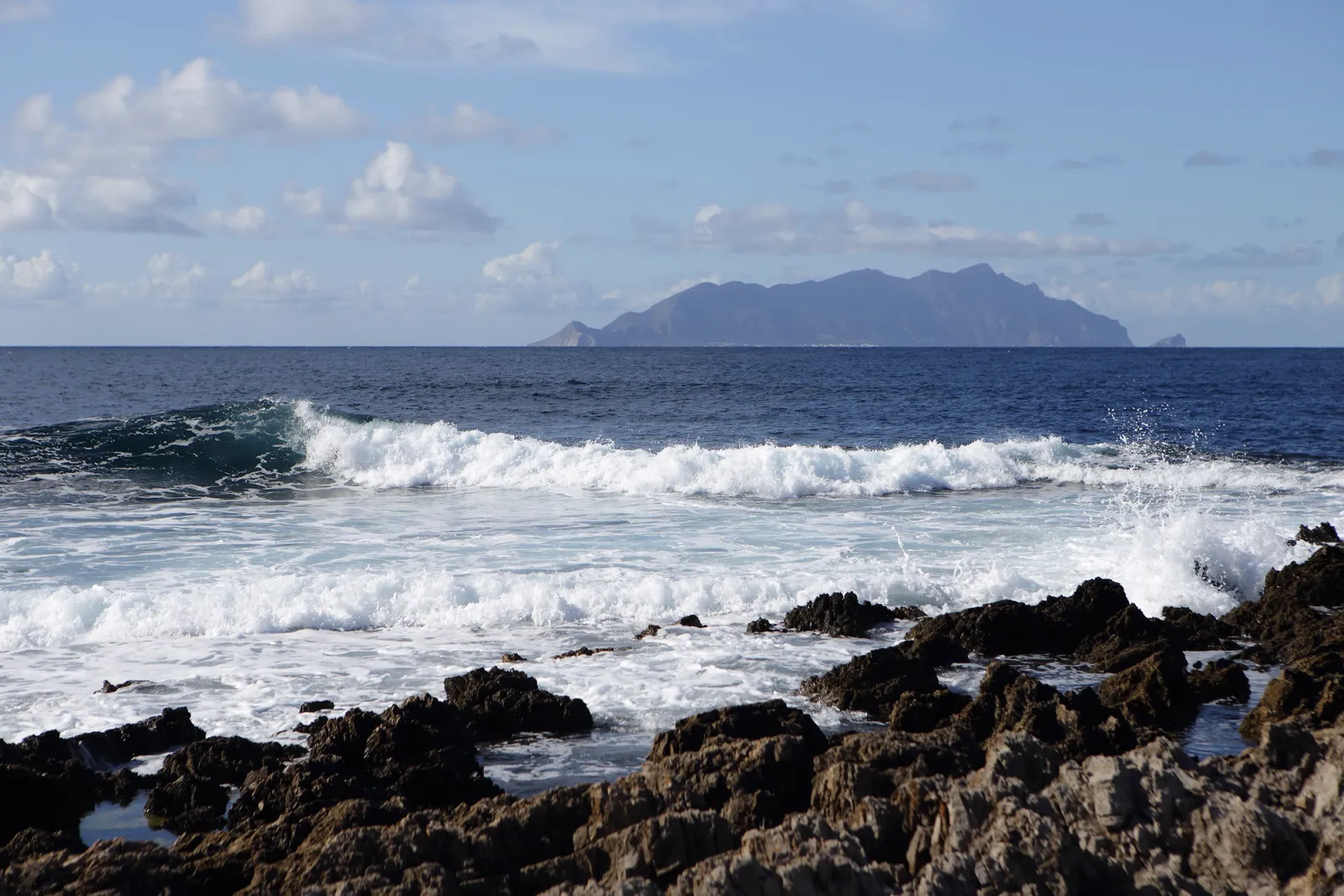
Curva Blu is INCURVA’s artist residency programme. Curva Blu unfolds in the middle of the Mediterranean Sea, on the Island of Favignana, a diverse natural environment, a territory of exploration and discovery. Its specificity and peculiar location intend to harmonise with the artists’ processes and researches. The project aims to offer a place for artists who search a totally unique condition, where geographical, historical, and social peculiarities can become source of inspiration, base for experimentation, new dialogues and exchange.
The second edition of Curva Blu, held in September, October and November 2017, focuses on the dialogue between artists and the territory.
Seeing the concept of dialogue as a dialectical form of encounter and exchange, in this second edition the curators invited Beatrice Marchi (ITA) and Massimo Grimaldi (ITA); Trisha Baga (USA) and David Horvitz (USA).
The artists are invited to use the time offered on the island to research and deepen themes and processes already present in their work, whilst being contaminated by the other artist’s presence and the specific characteristics of the territory.
By using each practice’s process and discourse as creative point of departure we wish to initiate new forms of artistic production focused on collaboration encouraging also new critical perspectives and visions.
Marianna Vecellio and Attilia Fattori Franchini
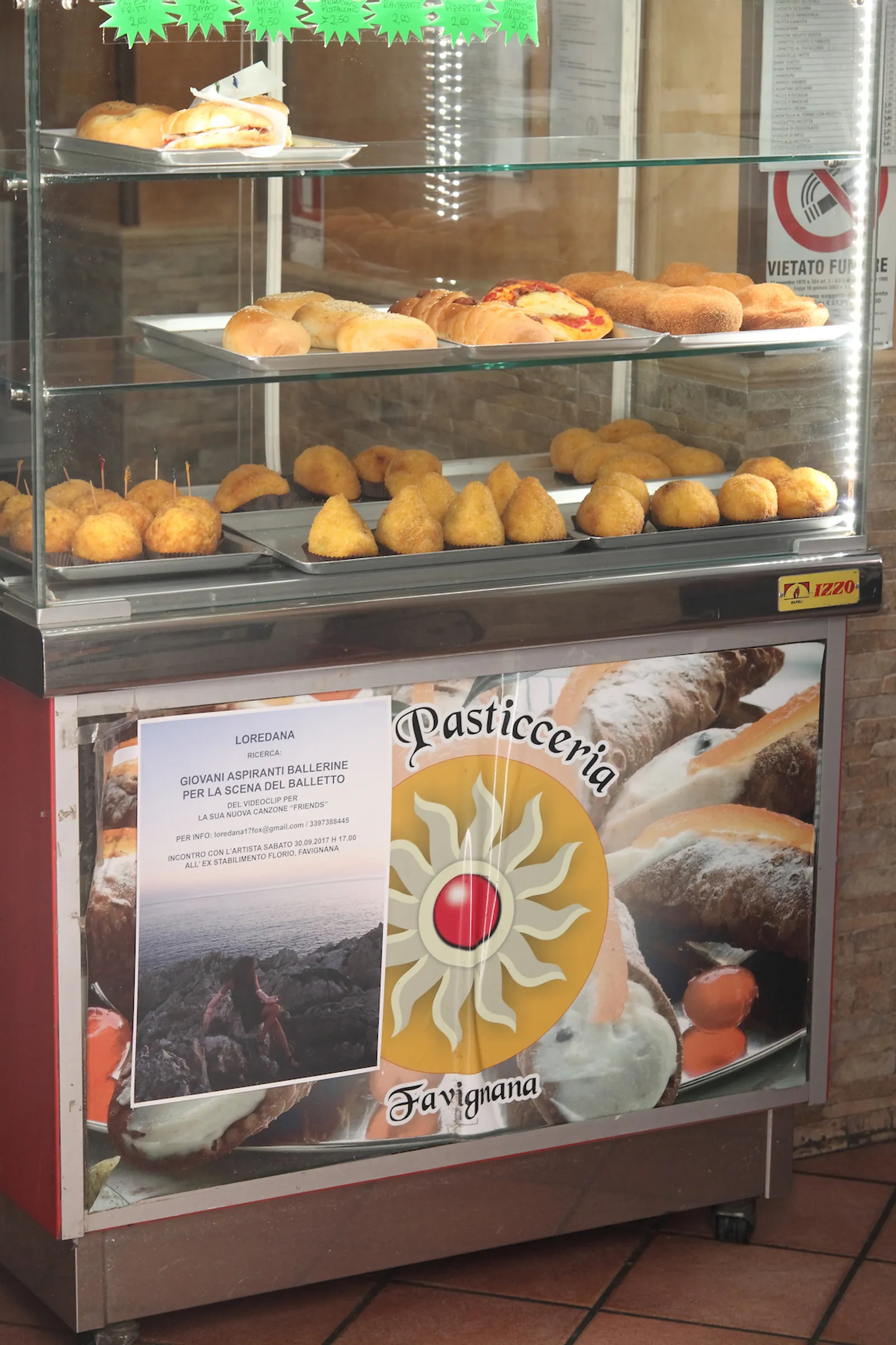
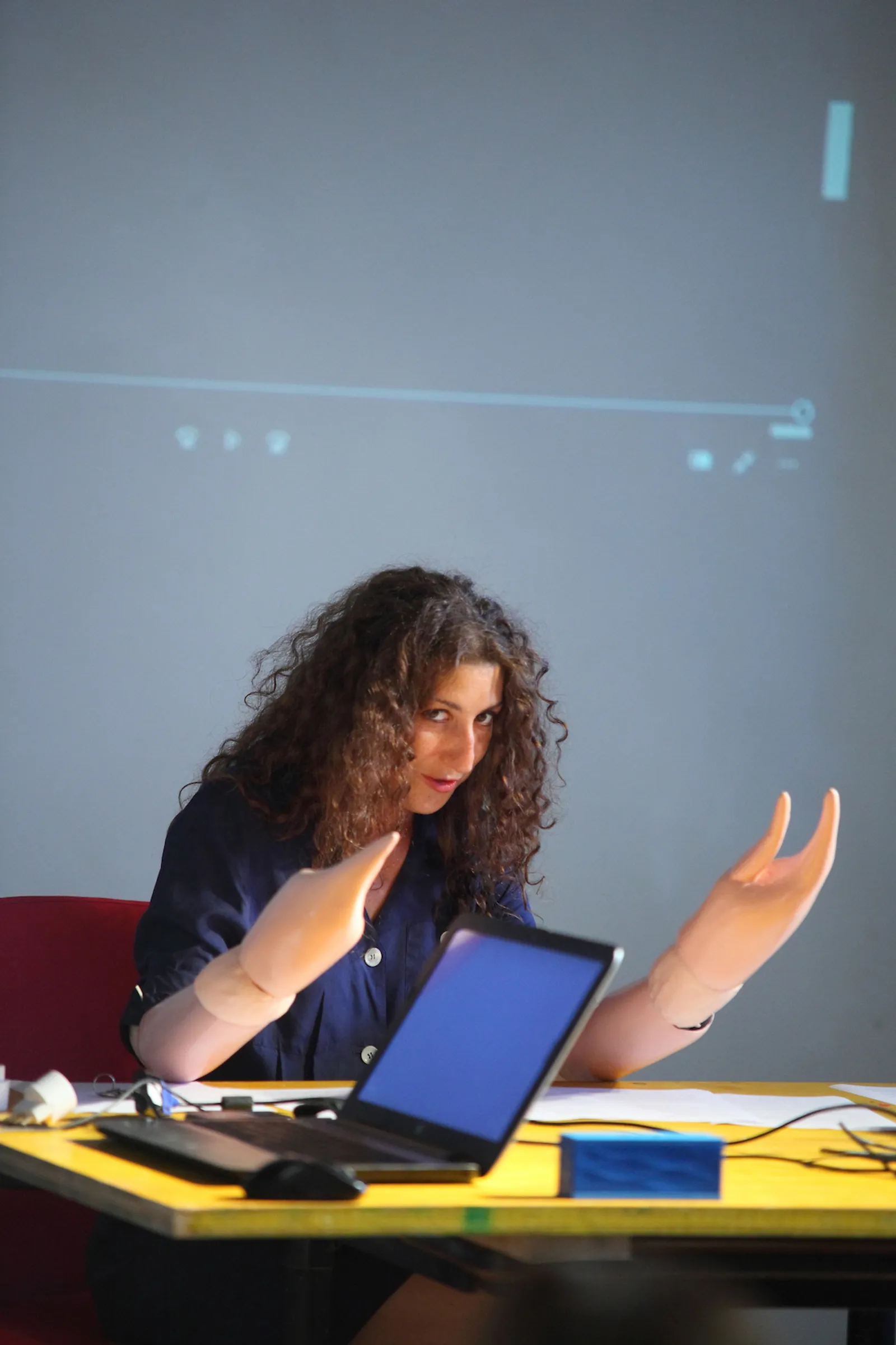
In 2017, during the Open Studio at the Ex Stabilimento Florio in Favignana, Beatrice Marchi presented as Loredana: a recurring character in her work — a girl with shrimp claws who appears across videos, performances and installations. She surfaces variously as a masseuse, a waitress or a dancer, in an attempt — always (?) bound to fail — to establish herself as a professional. For the occasion, the artist produced a promotional video (Friends, 2017) and custom posters to announce the auditions for the dancers who would take part in the character's music video.
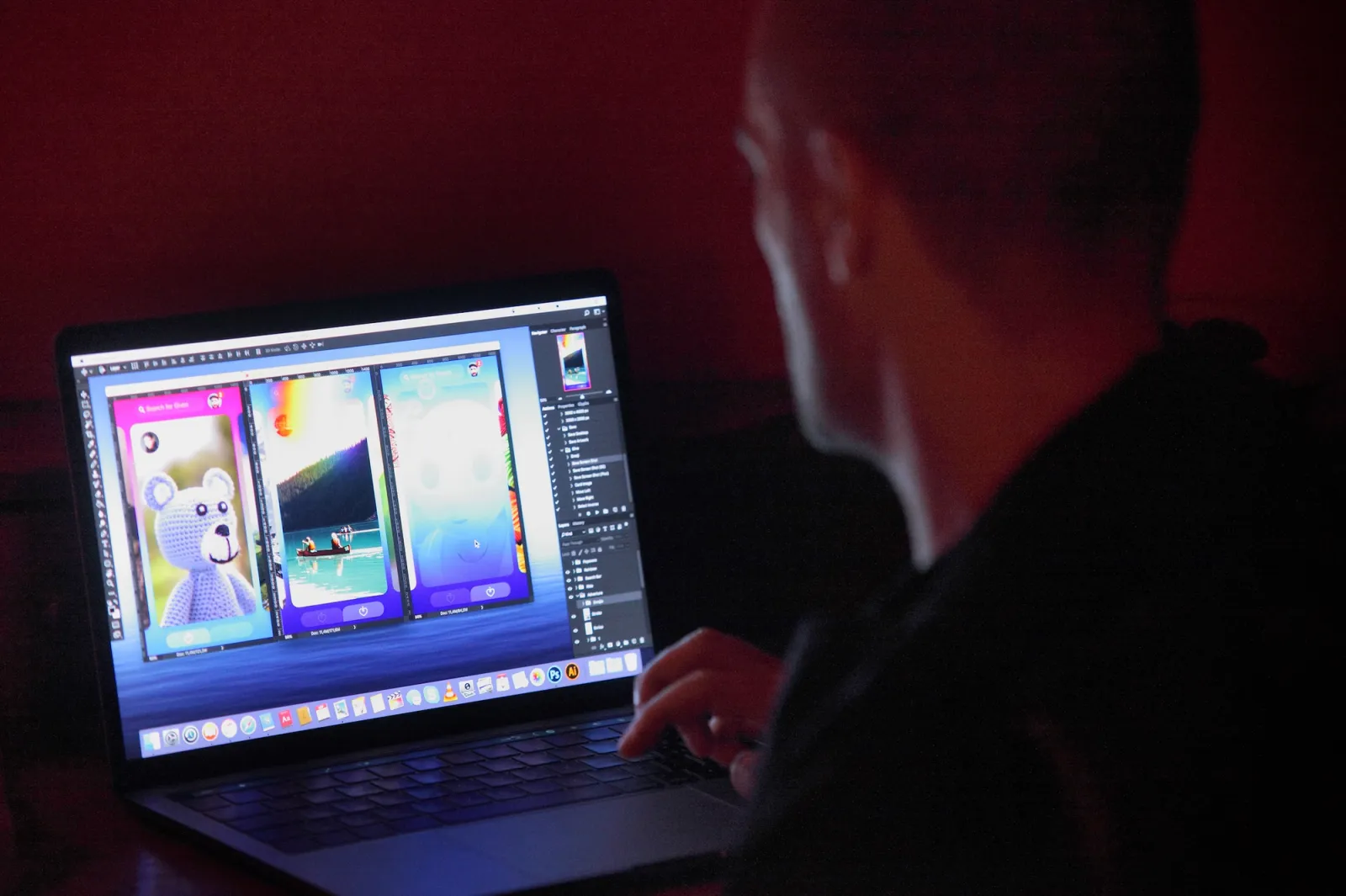
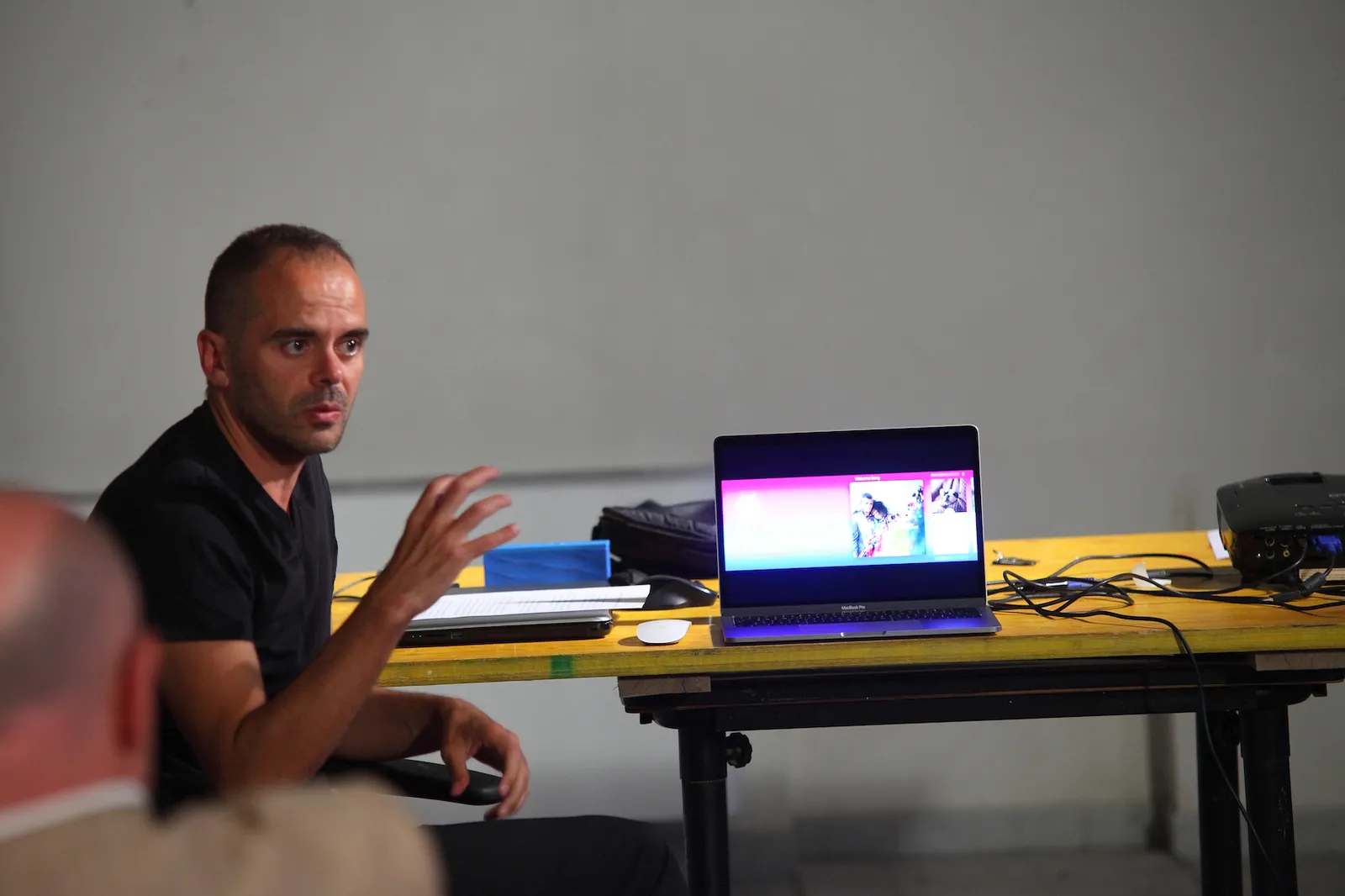
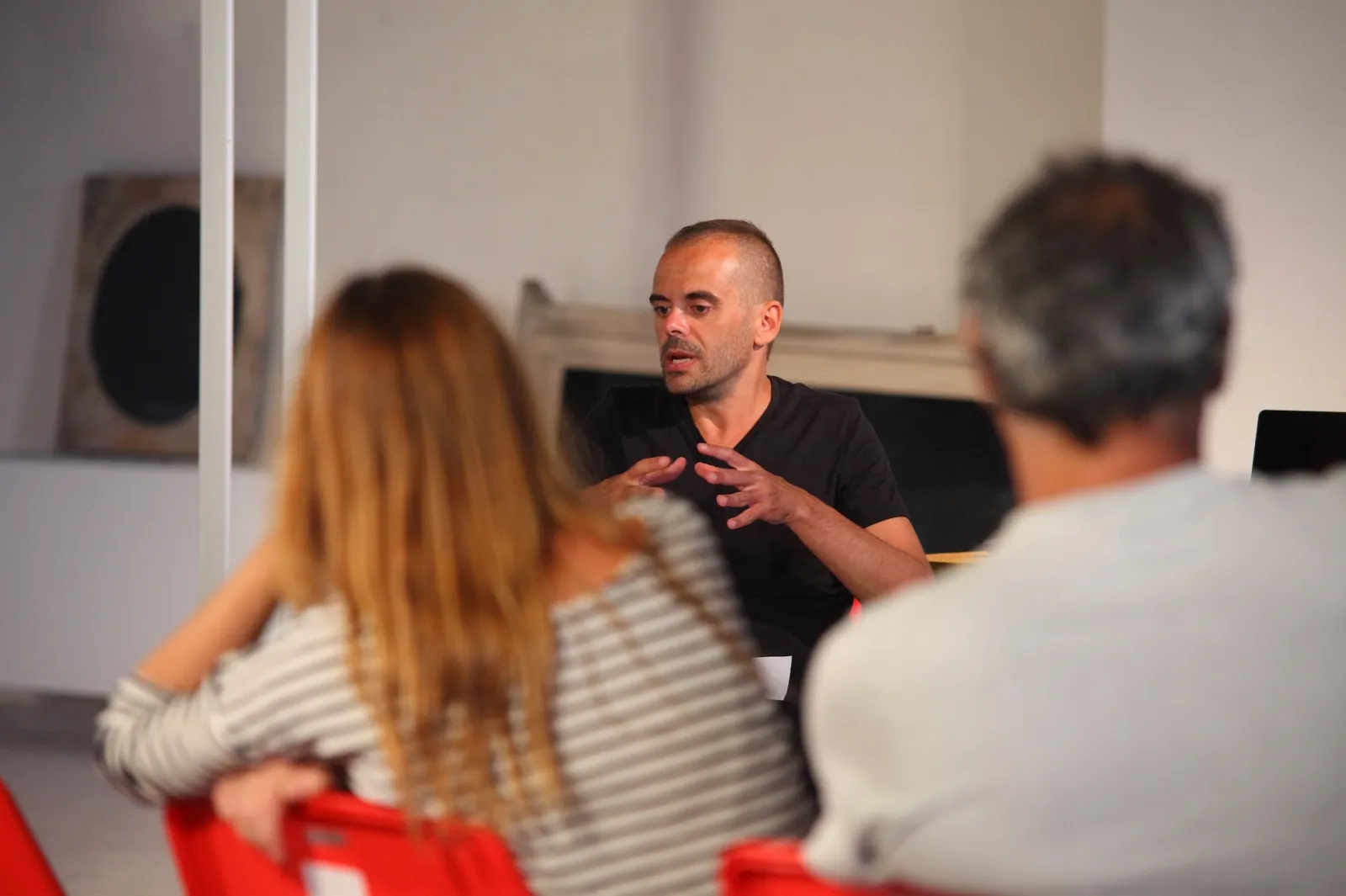
In 2017, during the Open Studio at the Ex Stabilimento Florio in Favignana, Massimo Grimaldi presented the concept and early mockups of a social network application built around an unconventional premise: interactions rooted in care and kindness serve as the platform's core incentive. Rather than engagement driven by reaction or spectacle, the project imagined an alternative digital social space where attentiveness and generosity are the currency of exchange
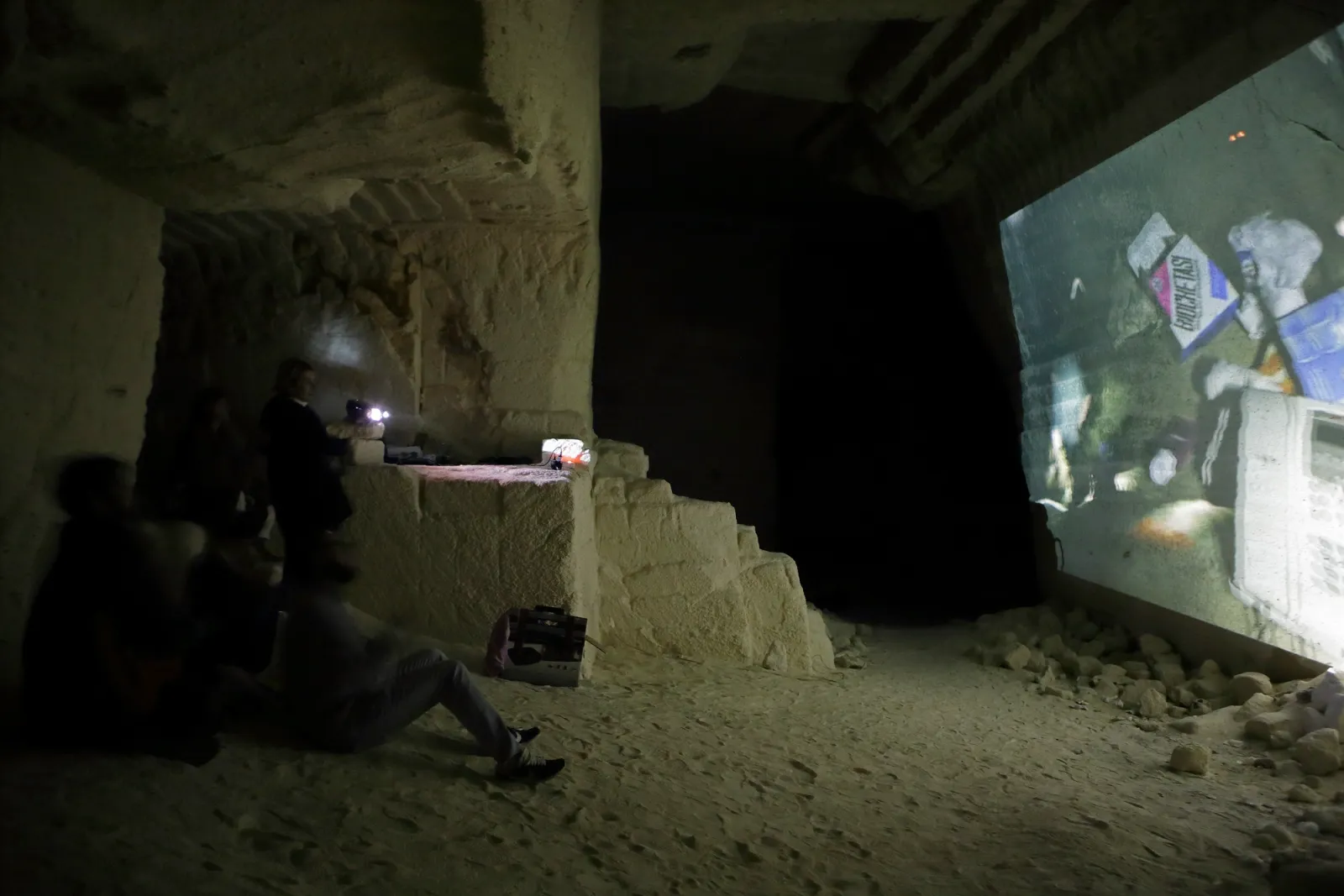
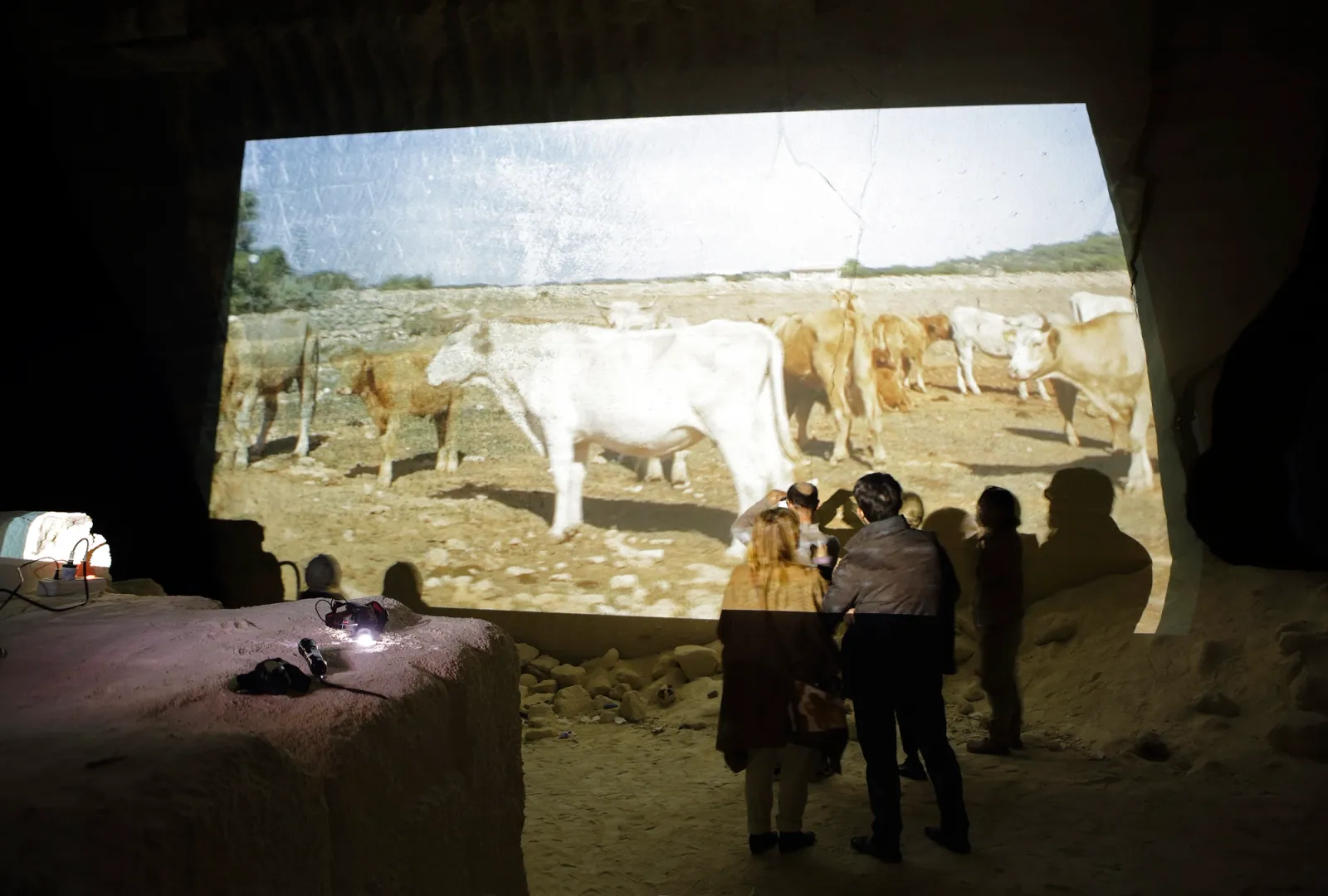
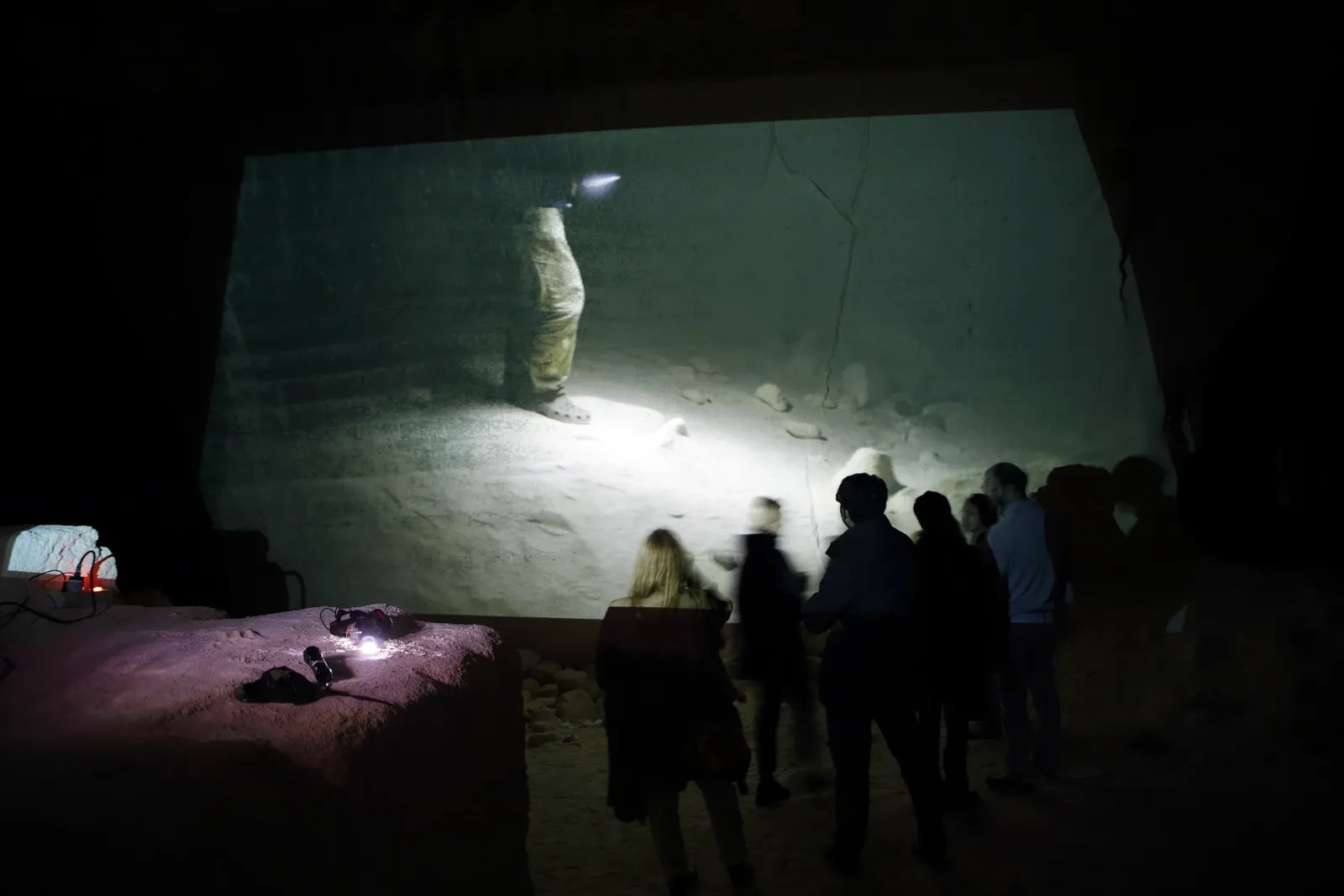
In 2017, during the Curva Blu residency in Favignana, Trisha Baga explored the island's caves with her 3D camera, accompanied by flashlights, selfie-sticks and more. The footage shot in the Sicilian caves fed into Mollusca & The Pelvic Floor (2018), in which material from the caves shares the screen with images of the artist's family in the Philippines, her studio and digital space, complicating geography, space and time through composite scenes and layered spatial strata.
In October and November 2017 I was in a residency on the small island of Favignana in the Egadi Island group off the northwest coast of mainland Sicily.
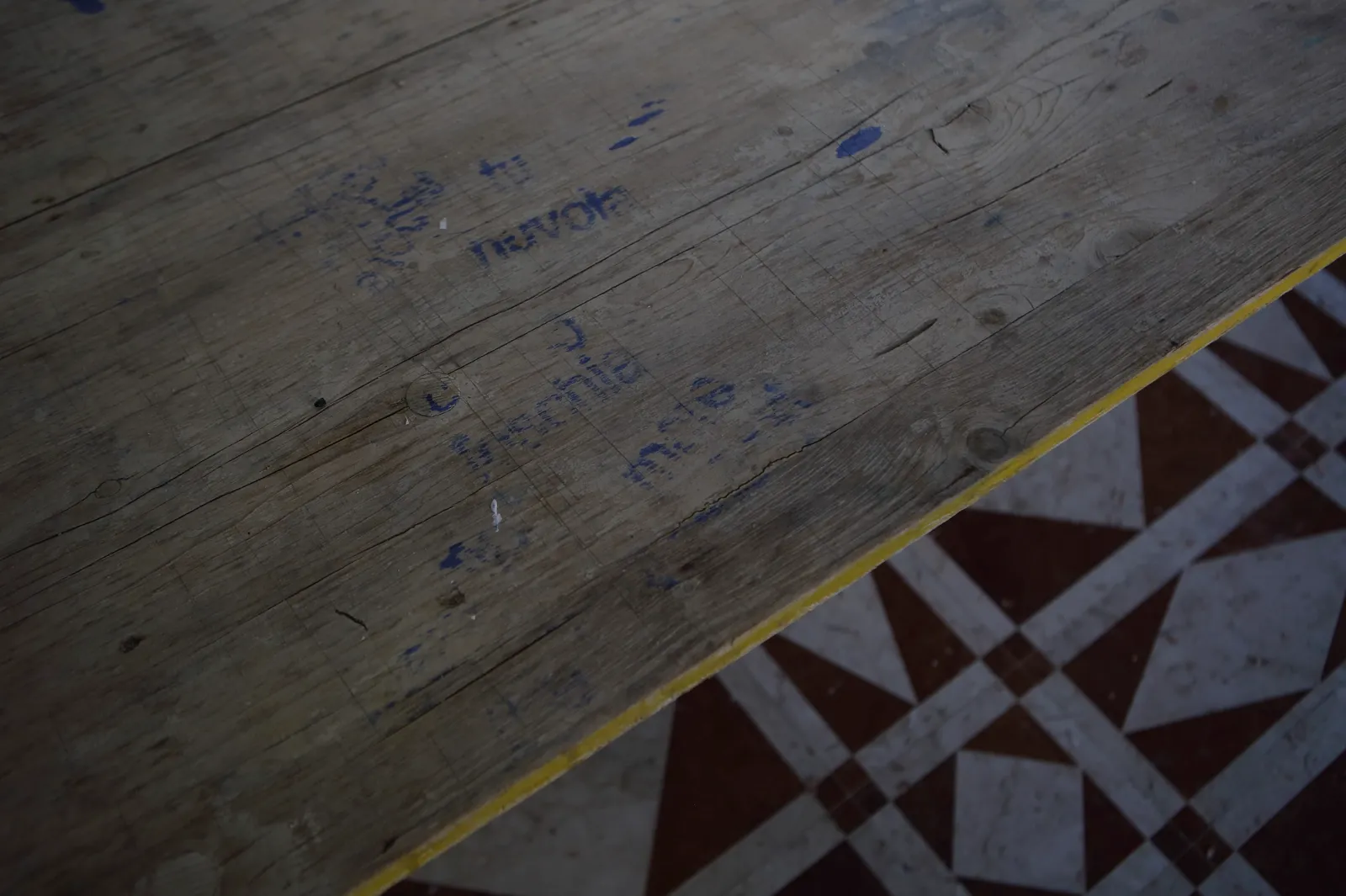
I made rubber stamps for each of the aforementioned Italian words, each being a noun defining a specific form of water. A cloud. An ocean. The sea. A river. Mist. Fog. Fog. Fog. Fog. Fog. And you, because you are also a formation of water. I imagine water moving fluidly through us. We become rivers. Or clouds become us.
With the stamps I composed spontaneous three line poems. Each poem was mailed as postcard to the residents of Favignana whose names and addresses were listed in the 2016 phone book.
They were all sent anonymously. Though the residents will probably figure out who sent it because there are never any secrets on islands. I imagined a small rumor spreading across the island like wind. And what travels faster, the postcards through the mail or a rumor?
Instead of mailing them from the island, they were all sent from Trapani, the closest town on mainland Sicily. I wanted them to arrive on the island by boat.
Before mailing them, each postcard was photocopied. This publication contains reproductions of all of those photocopies.
David Horvitz
December 2017, Los Angeles
In Favignana, the artists will present the research carried out during the residency.
Saturday 30 September 2017:
5pm Beatrice Marchi and Massimo Grimaldi Open Studio at Ex Stabilimento Florio, Favignana. More info about the event.
Saturday 11 November 2017:
11am A walk with David Horvitz, Piazza Europa, Favignana.
6pm Trisha Baga Temporary Installation visit, Cava Cavallo, Favignana. More info about the event
Sunday 12 November 2017:
6pm Artist talk Trisha Baga and David Horvitz at Museo San Rocco, Trapani. More info about the event
Beatrice Marchi (b. 1986, Italy)
“Lives between Italy and Germany, where she completed a Master at Hochschule für Bildende Künste (HFBK). Her practice revolves around the personal issues of being a woman, born in a traditionally patriarchal country as Italy, and a practicing artist. The intersection between these definitory characteristics and a subjective approach to their exploration, allows Marchi to enquire each of these positions in a larger sense, offering a sharp commentary on gender stereotypes, localism and the question of professionalisation in art and life. Spanning across drawing, painting, sculpture, animation, sound and performance, Beatrice’s work has a camp attitude. It does not respond to any medium specificity, but it takes form accordingly to the socio-cultural context it portrays. Often having an improvised or low-fi outlook, the characters Marchi constructs and personally performs are ambiguous, punctuated by irony, but also open to change and interpretation”. Text by Attilia Fattori Franchini, CURA., June 2017
Massimo Grimaldi (b. 1974, Italy)
His art takes the form of photographs, installations, performances and digital slide shows, through which the artist reflects on the production criteria, the general response and circulation of images. He examines the role of the artist in society and the way in which art is perceived and interpreted. Grimaldi reflects on the evocative power of representation and on the system of relationships that images trigger within their context.
«In a world invaded by images, Massimo Grimaldi’s questions his task. He concentrates on the specific qualities and the problems of artistic languages, he does not entrust art with a privileged role in society but instead sees in it the possibility of immersions in the uncertain fabric of thought. The artist adopts recurrent terminologies: ‘opacity’, ‘hybridization’, ‘arbitrariness’, ‘inexpressiveness’. The image must represent form; form must emerge as a collection of characteristics, the totality of which is absorbed in complete indifference.
“My works – says the artist – are not roaring tigers, but rather the quicksand that swallowed them down.” The sculptural works, or graphic objects such, up to the most recent digital installations, arouse a sense of dissatisfaction and incomplete comprehension. The saturated, manipulated images become illegible, the result of numerous variations, the expression of a vertigo caused by the cancellation of any original identity and the account of what the artist calls a “melancholy of an image, lost in the infinite possibility of images.” Marianna Vecellio
Trisha Baga (b. 1985, USA)
“Trisha Baga is a young artist working mainly in video and performance. Her approach is open and intuitive, with a homespun aesthetic that might incorporate screen effects, recordings of herself singing layered over soundtracks, scenes spliced together and improvised props. Picking up on chance constellations of objects in her bedroom, or familiar images cast in a new light, she is interested in the “common things” that surround us, using these to guide phenomenological compositions about the act of looking and recognising, and the potentiality that might lie in the gap between. Her work could be said to foreground distraction as a methodology: With an approach to narrative that recalls the logic of browsing online and hyperlinks, she allows herself the space to drift, notice and find”. Text from Claire Bishop, ArtForum.
David Horvitz (b. 1981, USA)
The Japanese-American artist David Horvitz lives and works in Los Angeles. After studying at UC Riverside he graduates at Bard college. His practice combines different mediums: from art books to installations, from performances to photography, from drawing to mail art, through which he produces – besides the most traditional works of art – posters, stamps, internet ads, press releases, exhibitions in shoes boxes, web pages and other invisible actions. His references are Dutch artist Bas Jan Ader, Japanese On Kawara, conceptual art and fluxus movement from which he quotes melancholic atmospheres, the fluid and existential dimension of time, psycho-geography and linguistic irony. He dismantles the role of the artist by reflecting on the concept of recycle, authorship and property and fosters the free circulation of his works on the web by opening himself and his work to universal possibilities of reality.
Among the main personal exhibitions are Eridanus, Galerie Allen, Paris in 2017;Ja, Chert gallery, Berlin and Oui, galleries Yvon Lambert, Paris in 2016; Gnomosat the New Museum in New York in 2014. His work has been included in numerous collective exhibitions at important institutions including Crac Alsace, Museum Morsbroich, Leverkusen, The Museum of Modern Art, New York, Tate Modern London, Palais the Tokyo in Paris (opening in October 2017).
Marianna Vecellio - Chief Curator
Curator, researcher, and writer is an art historian. In 2012 she has been appointed as curator at Castello di Rivoli Museo d’Arte Contemporanea, Rivoli/Torino – where she works since 2007. She has curated various exhibitions and publications such as Andres Serrano’s Via Crucis, Massimo Grimaldi’s Before The Images, Paloma Varga Weisz, Rachel Rose, Cecile B. Evans, Ed Atkins, Anna Boghiguian, Hito Steyerl and Cally Spooner and edited monographic catalogs such as John McCracken and Luigi Ontani. She collaborates to numerous editorial projects with particular attention to historical research in the compilation of chronological and anthological histories. She is currently working on the exhibition and publication of Michael Rakowitz in collaboration with Whitechapel, London, the exhibition of Marianna Simnett and the project with Pedro Neves Marques all opening at Castello di Rivoli in fall 2019. Her research is focused on transdisciplinary projects in which critical thought and artistic practice coexist such as Abitare il Minerale and currently Comp(h)ost with Witte de With, Rotterdam. From 2009 she is in the committee board of Public Art of the City of Torino. She has contributed to numerous Italian and International magazines. Working on Curva Blu since 2016, for INCURVA, Marianna also curated Sivilization’s Wake by Stephen G. Rhodes and Barry Johnston (Palermo, 2018).
Attilia Fattori Franchini – curator
Attilia Fattori Franchini is an independent curator and writer based in London and Vienna. She is cofounder of the nonprofit platforms bubblebyte.org and Opening Times and contributes essays and reviews to international publications such as Mousse, CURA, and Flash Art International.
She is the curator of BMW Open Work by Frieze (2017 -); Curva Blu; the Emergent section of miart, Milan (2018 -); and the latest edition of the Termoli Art Prize, Italy. Recent projects include Could you visit me in dreams? as part of curated_by 2018, Vienna; Red Lake at Point Centre for Contemporary Art, Nicosia (2018); and ARS17+ at Kiasma, Museum, Helsinki (2017).
Past projects include: Céu Torto, Boatos Fine Arts, São Paulo (2017); Dawning, Capitán Gallo, Mexico City (2017); Morning uber, evening oscillators, Seventeen, London (2016); Europa and the Bull at LambdaLambdaLambda, Pristina, Kosovo (2016); Oa4s, Temra and David in 4 parts, Sorbus, Helsinki (2016); Kuvan Kevät, Kuvat Academy of Fine Arts, Helsinki (2015); Bold Tendencies, London (2015); and HAND, Barbican Centre, London (2013). http://attiliaff.com
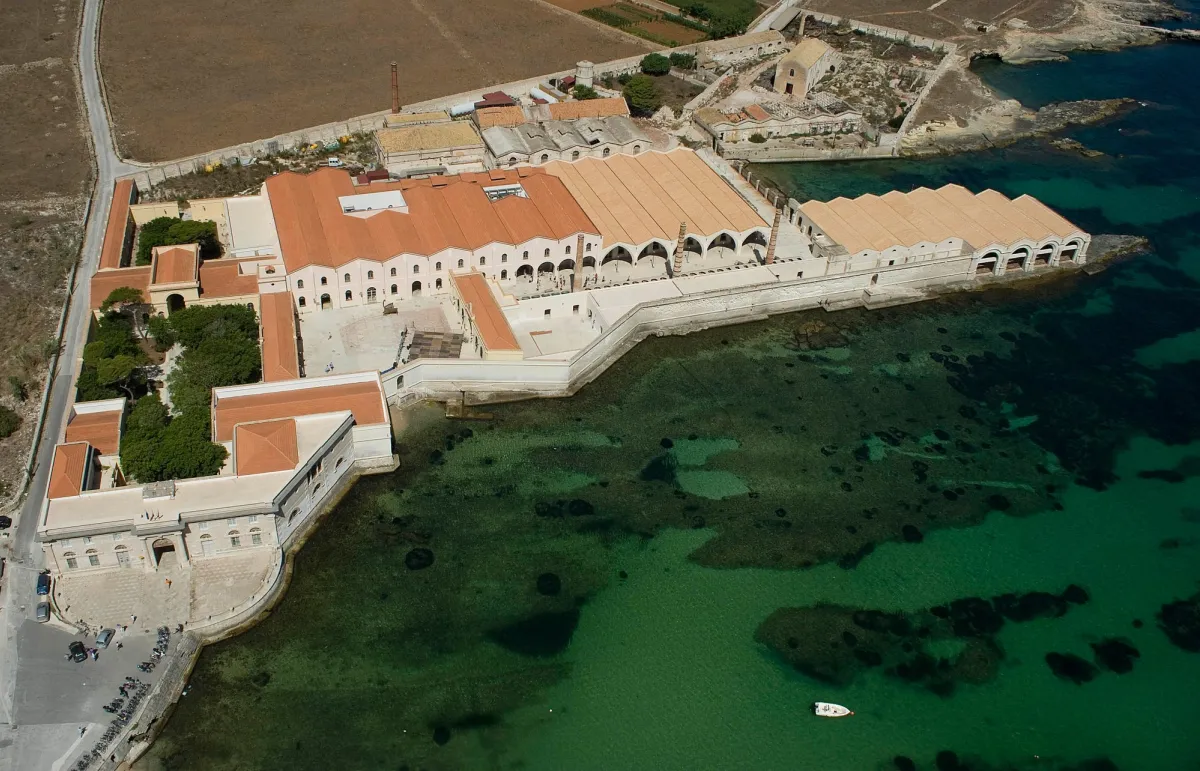
Curva Blu studios are set in the wonderful estate of Museum Ex-Stabilimento Florio delle Tonnare di Favignana e Formica.
Reach Favignana
INCURVA’s is here to help you out reaching Favignana, so don’t hesitate to contact us. Find below some travel tips.
Favignana is a small island off the coast of Western Sicily, Italy. The closest airports are Trapani and Palermo.
Favignana is just 30 minutes hydrofoil ride away from Trapani or Marsala’s port.
There’s at least 10 rides per day from Trapani and less from Marsala, you can use www.libertylines.it to check out timetable or book.
Please note that the last ride of the day is at 8pm from Trapani and 7.30pm from Marsala.
There’s many options for rentals on the island, but if you need to take vehicle on the island, you’ll need to travel with Siremar or NGI
Distance to Trapani’s port:
From Trapani’s Airport:
– 30 min drive – you can grab a taxi at the airport (30 EUR) or call Michelangelo for a van/car +39 335 82 25 215
– buses are frequent (10 EUR) and drop you at the port
From Palermo’s Airport:
– 60 min drive: contact Michelangelo Transfer for private van +39 335 82 25 215 (about 75 EUR)
– 70 min bus timetable here bus drops you at the port
– 2 hours bus: go to Palermo first (bus, taxi, shared taxi) and hop-off at Via Belgio Bus stop, from there hop on a bus to Trapani, timetable here
From Palermo’s port/city center:
– 80 min drive: contact Michelangelo Transfer for private van +39 335 82 25 215 (about 75 EUR)
– 90 to 120 min with bus, frequent a buses drop you at Trapani’s port timetable here
Rail: unless you want to enjoy and long trip, we discourage taking the train
In Favignana
Trasportation once in Favignana:
– Rent your car/bike/scooter at Infopoint, big red building just off Favignana Port
– There’s many taxi services on the island
Recommended house rentals (our friends!):
– Alessandra’s houses: https://www.traventoemare.it/
– Rosario’s houses on Airbnb
– Davide’s houses www.favignanacasa.it
– Plenty of options on Airbnb
Recommended hotels (our friends!):
– Casa al mare
– Hotel Cave Bianche
– Hotel delle Cave
Heartfelt thanks to everyone who helped and experienced Curva Blu in 2017: ChertLüdde, Downs&Ross, Société, ZERO…, Museo d’Arte Contemporanea San Rocco (TP), Alessandro Agudio, Alessandro Di Giugno, Antonio Lo Presti, Calogero Gammino and the Museum’s guide, Don Liborio, Ela Horvitz, Fabio Pantaleo, Fausto Brigandino, Federica Romano, Felix Gaudlitz, Gaetano Di Martino, Gaspare Ernandez, Giuseppe Fazio, Giuseppe Pagoto, Luigi Biondo, Manuela Trapani, Margherita Amabile, Peppe Nnue, Pina, Renato Alongi, Rosario Riginella, Silvio Balistreri, Vincenzo Ritunno, Zanna Gilbert, and all the INCURVA members.
Curva Blu is made in partnership with the following institutions:

and with the technical support of Bar del Corso and
